Building expertise in multi-energy system modelling with PyPSA-LU
How can modelling help anticipate the challenges of Luxembourg’s future energy system? A D2ET hands-on workshop brought researchers and energy experts together to explore how PyPSA-LU can support the analysis of resource adequacy, security of supply and increasingly interconnected energy systems.
How can Luxembourg assess whether its increasingly interconnected energy system has sufficient resources to meet demand under different future scenarios?
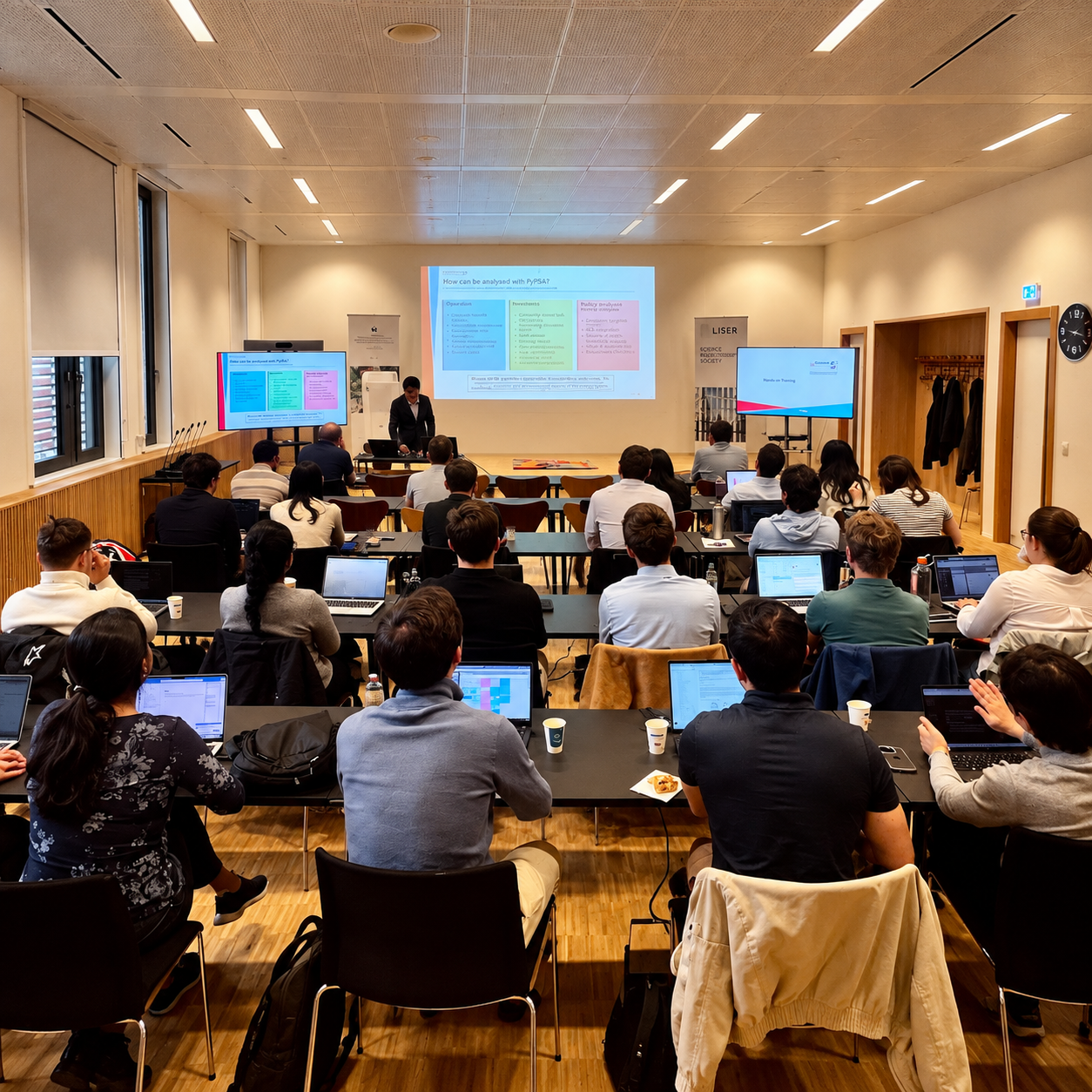
A hands-on training workshop held on 21 September brought together researchers and energy experts to explore this question using PyPSA-LU.
Organised in the framework of D2ET, an initiative of the Luxembourg National Research Fund (FNR) under its National Centres of Excellence in Research (NCER) programme, the full-day workshop focused on the practical use of advanced energy system modelling to investigate resource adequacy and security of supply.
Modelling Luxembourg’s multi-energy system
At the heart of the training was PyPSA-LU, a PyPSA-based model of Luxembourg’s multi-energy system. By representing electricity, gas and thermal systems and their interactions, the model enables researchers to explore different scenarios and analyse how changes in one part of the energy system can affect others.
This integrated perspective is particularly relevant as the energy transition increases interactions between energy carriers and sectors, making questions of sector coupling, resource adequacy and security of supply increasingly important.
From model setup to scenario analysis
The workshop was designed as a hands-on technical session, giving participants the opportunity to work directly with the modelling environment.
Starting with the fundamentals of PyPSA and the PyPSA-LU framework, participants explored model setup, data and configuration before running simulations and working with a resource adequacy use case. They then modified scenarios, analysed outputs and discussed the interpretation of results.
The programme also addressed gas and thermal systems, sector coupling and economic modelling using PyPSA.
Sharing knowledge across Luxembourg’s energy ecosystem
Beyond developing technical skills, the workshop provided an opportunity to bring together research teams and experts from Luxembourg’s energy ecosystem.
By sharing modelling approaches, experience and potential use cases, the session contributes to building a common understanding of the tools that can support the analysis of Luxembourg’s evolving energy system.
Through D2ET, this expertise contributes to a broader effort to better understand the challenges associated with the energy transition and to develop robust analytical approaches for exploring Luxembourg’s future energy scenarios.